
How to Transition to Clean Haircare (Without Losing Your Mind)
You've decided to switch to clean haircare. You've ditched the sulfates, the silicones, the mystery ingredients. You're doing the right thing. And then — your hair looks worse than it ever has. What gives?
This is the transition period, and it's completely normal. Here's what's actually happening, how long it lasts, and how to get through it without throwing your new products out the window.
Why Your Hair Acts Up When You Switch
Conventional haircare products — especially those with sulfates and silicones — create a cycle your hair gets used to. Sulfates strip your hair, silicones coat it to make it feel smooth, and your scalp overproduces oil to compensate for the stripping. Repeat every few days.
When you stop using those products, your hair and scalp have to recalibrate. The silicone coating washes away, revealing your hair's actual texture (which might feel rougher at first). Your scalp, used to being stripped regularly, keeps producing oil at the same rate — so your roots might look greasier than usual for a few weeks. And without the artificial smoothing agents, your hair might feel different than you're used to.
None of this means the new products aren't working. It means your hair is adjusting.
What to Expect Week by Week
Week 1–2: The Adjustment
This is the hardest part. Your hair might feel heavier, look greasier at the roots, or feel rougher in texture than before. Your curls or waves might not look as defined as they did with your old products. Stick with it. This is your hair shedding the old coating and your scalp starting to regulate.
Week 3–4: The Reset
Your scalp starts to produce less oil as it realizes it's no longer being stripped. Your hair's natural texture begins to emerge. You might start to notice your curls or waves looking more defined, your hair feeling lighter, and your roots staying fresh a little longer between washes.
Week 5–6: The Payoff
By now, most people are through the transition. Your scalp is balanced, your hair is responding to clean products the way it's supposed to, and you're starting to see the results you switched for: softer hair, better curl definition, a healthier scalp, and styles that last longer.
How to Make the Transition Easier
Start with a clarifying wash
Before you begin, do one final wash to remove silicone buildup from your old products. This gives your clean products a clear surface to work with from day one and shortens the transition period. (hint: new SITCH product coming soon?)
Don't switch everything at once
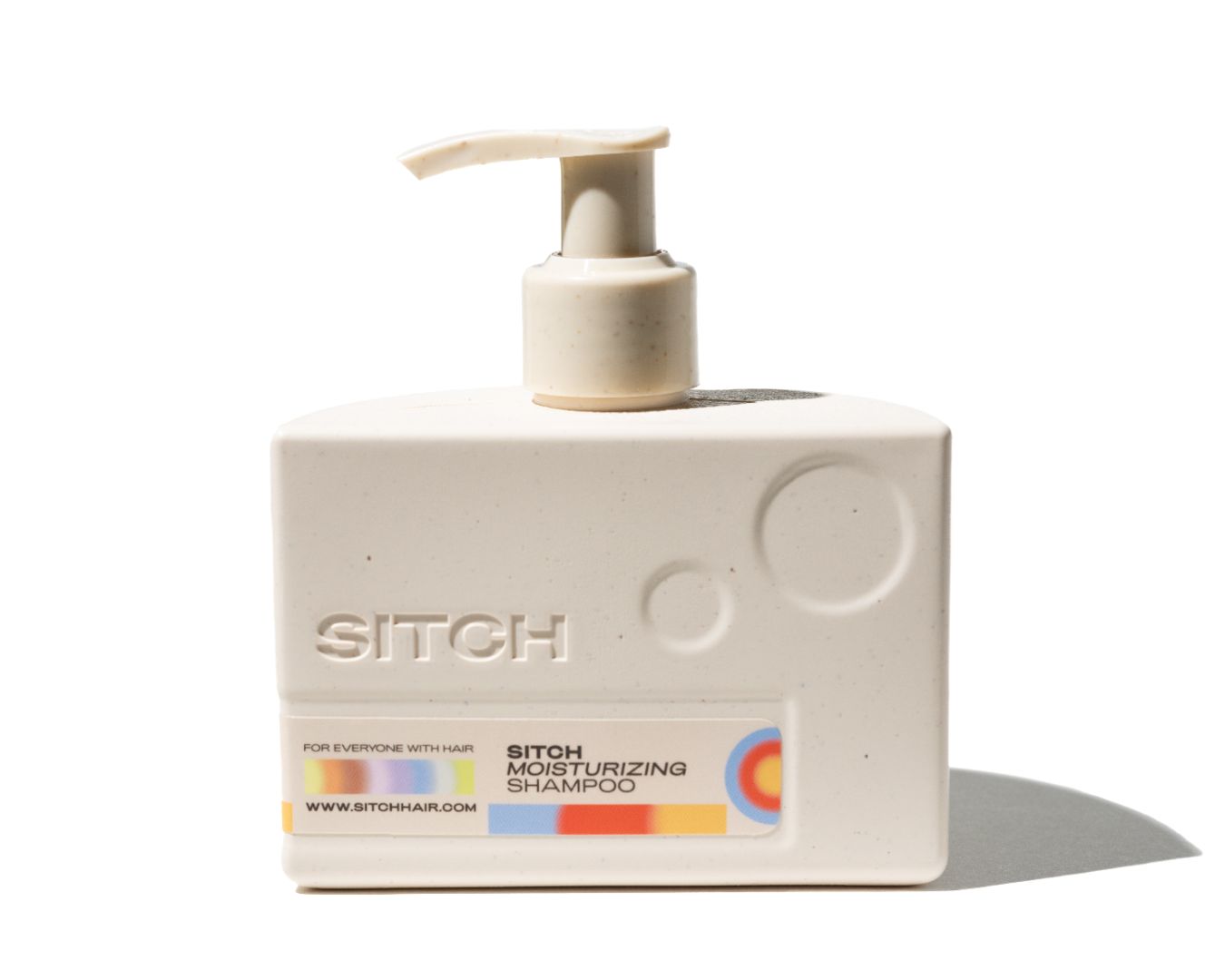
Start with your shampoo and conditioner — the products that have the most contact with your scalp. The EVERYDAY SHAMPOO and EVERYDAY CONDITIONER are a great starting point. Once your scalp has adjusted (2–3 weeks), layer in your styling products.
Adjust your wash frequency
If your roots are getting greasy faster than usual during the transition, resist the urge to wash more often — that just perpetuates the cycle. Instead, try washing every 3 days instead of every 2, and use the DETANGLER SPRAY to refresh your hair between washes.
Be patient with your styling products
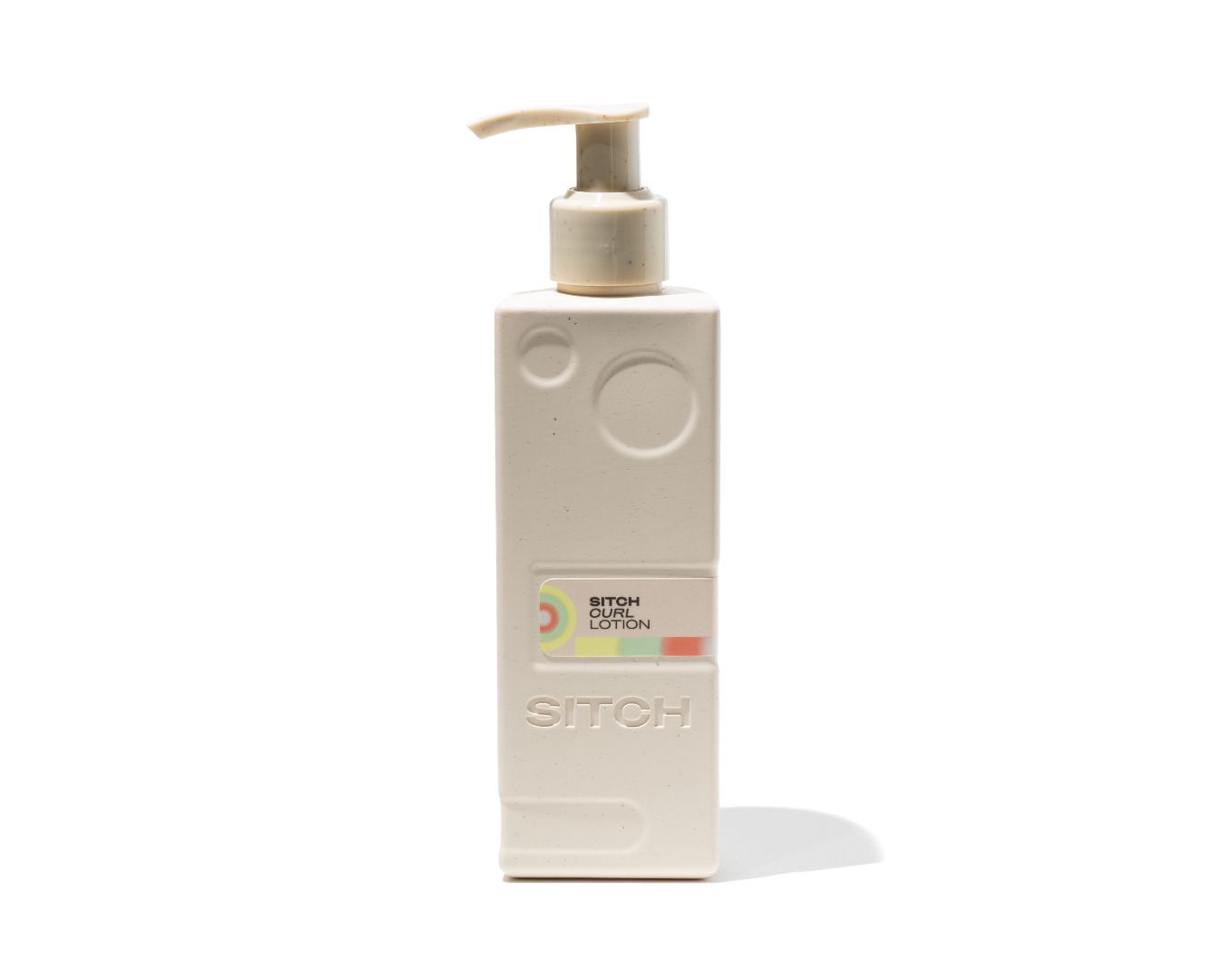
Clean styling products work differently than silicone-based ones. They don't coat the hair — they work with it. The CURL LOTION, SMOOTHING LOTION, and VOLUMIZING SPRAY are all designed to enhance your hair's natural texture, not mask it. Give them a few washes to show you what they can do.
Use the Leave-In Treatment for extra support
During the transition, your hair might need extra moisture as it adjusts. The LEAVE-IN TREATMENT adds a layer of hydration between wash days and helps smooth the cuticle while your hair recalibrates. Apply it to damp hair before styling.
The Bottom Line
Transitioning to clean haircare is a little like starting a new fitness routine — it's uncomfortable at first, and you might wonder if it's worth it. It is. Give it 4–6 weeks, stay consistent, and your hair will thank you.
Ready to start? The EVERYDAY SHAMPOO and EVERYDAY CONDITIONER are your foundation — clean, effective, and designed to work with your hair, not against it. Browse the full routine at The Everyday Essential Routine.